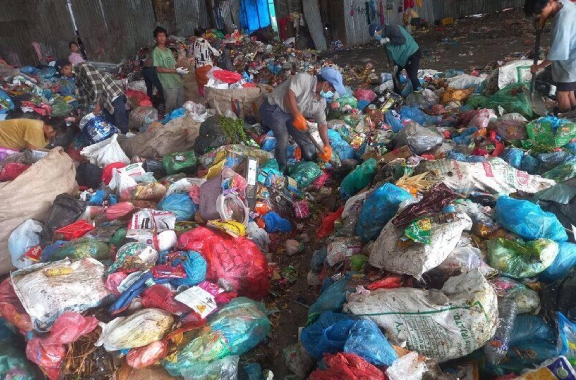
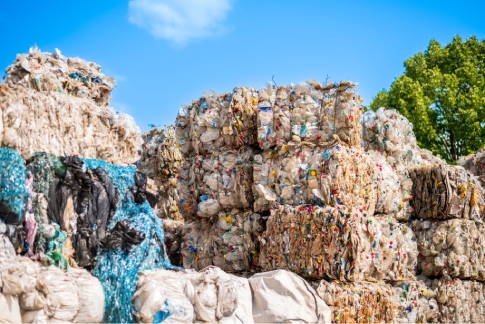
Roughly 600 tonnes of plastic waste is dumped into Nepal's landfills every day without treatment, and current collection remains largely limited to mixed curbside pickup rather than separated dry-waste streams. Building dedicated plastic collection is a foundational first step toward recovery.
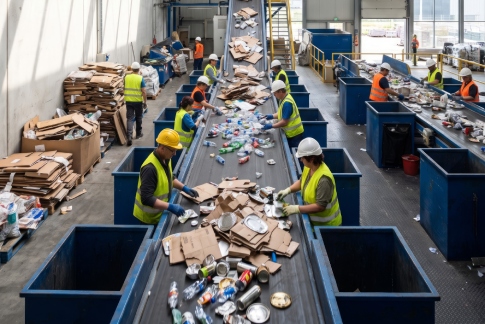
Waste in Nepal's cities is typically collected and disposed of without any processing step in between, meaning recoverable material is buried along with everything else. Establishing dedicated recovery facilities is essential to actually capturing that value before it reaches a landfill.
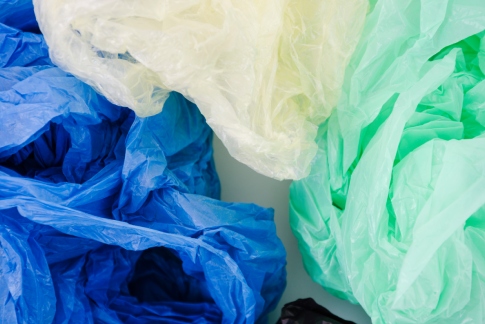
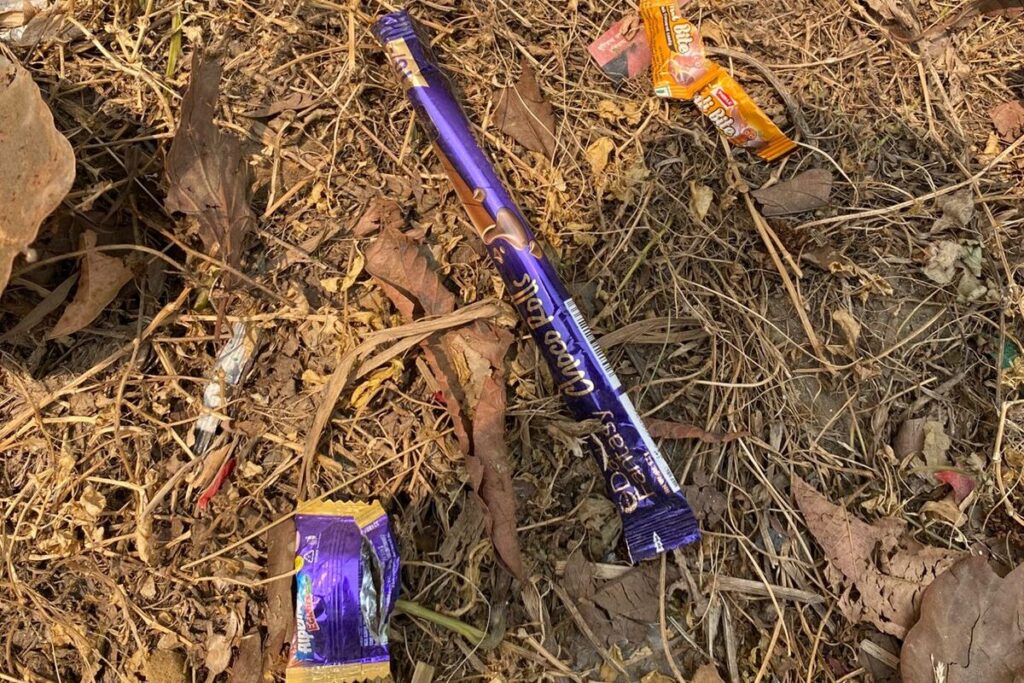
Low-value plastics are typically left out of existing informal recovery chains, since they carry little resale value for waste-pickers and aggregators. Designing systems specifically for these harder-to-recycle materials remains a largely unaddressed gap.
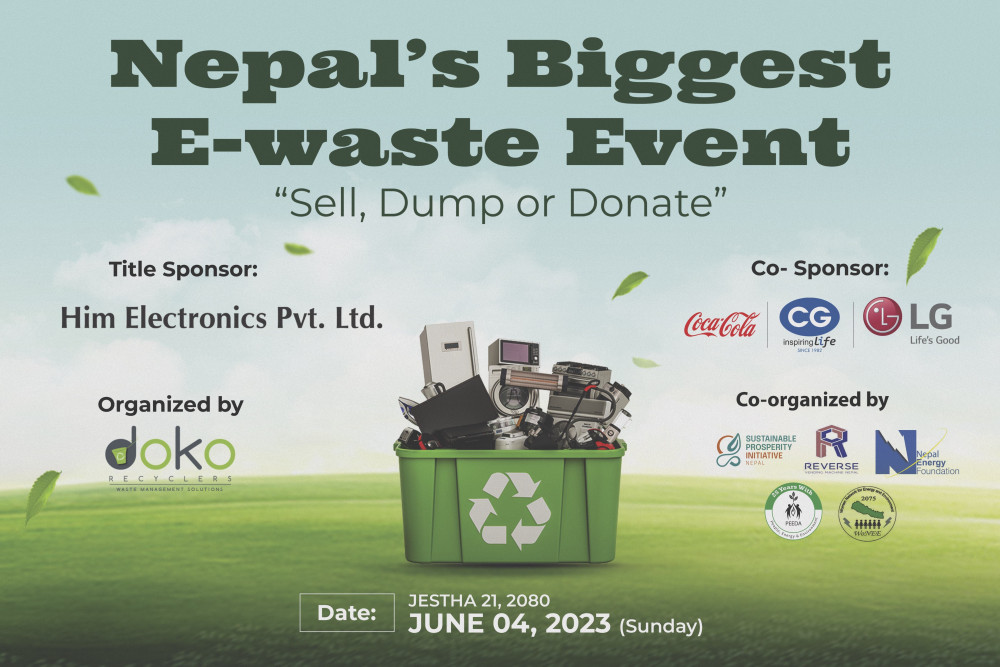
Nepal's solid waste act lumps all waste types under one generic law; this calls for separate stream-specific regulations. Doko is addressing this with practical frameworks- an EPR Toolkit for plastics and establishing Nepal's only e-waste facility.
With no dedicated plastic waste policy currently in place — plastics are governed under the same general rules as all other municipal waste — there's significant room to design frameworks that treat plastic as a resource to be cycled back, rather than a stream to be buried.
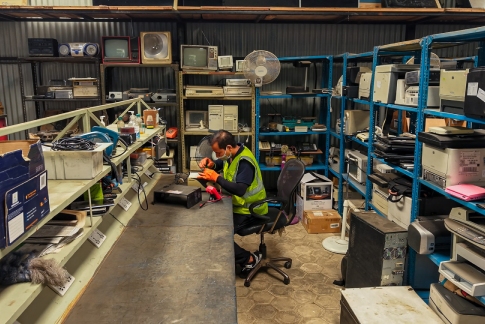
Nepal currently has no separate regulation governing electronic waste, even though it requires distinct collection and handling from general municipal waste. Establishing dedicated e-waste collection is a necessary first step toward safe management.

E-waste contains hazardous chemicals and heavy metals that ordinary municipal waste systems aren't equipped to safely process. Dedicated, safe dismantling facilities are needed to prevent these materials from contaminating soil, water, or food.
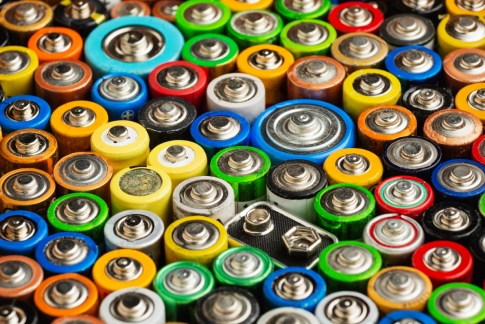
Batteries fall under the same broad hazardous waste category as other chemical and industrial waste, without any dedicated collection or management pathway of their own. A distinct battery management system is needed given the specific contamination risks they pose.
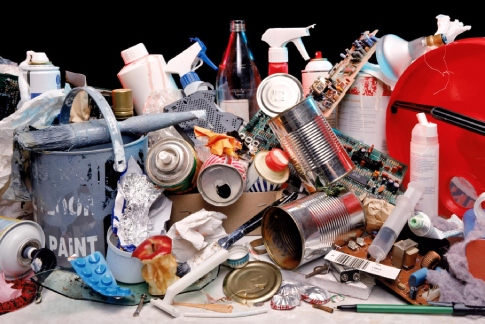
Domestic hazardous waste currently has no separate legal definition or handling requirement in Nepal, leaving it to mix with general household trash. Establishing clear segregation and collection rules for this category is an identified gap.
Individuals working in informal waste recovery — including at dumping and landfill sites — typically operate without any protective equipment or formal safety guidelines. Developing and enforcing occupational health and safety standards for this workforce is a pressing, largely unmet need.
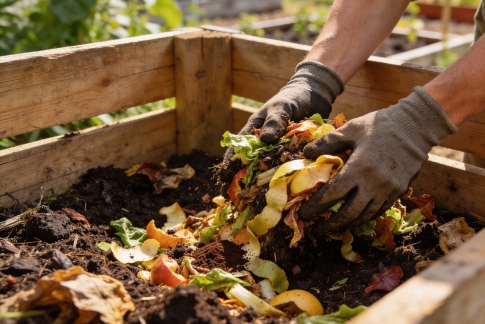
Organic matter makes up the majority — over half — of all waste generated in Nepal's cities, yet dedicated composting infrastructure remains extremely limited. Scaling composting capacity represents one of the single largest opportunities to divert waste away from landfills.
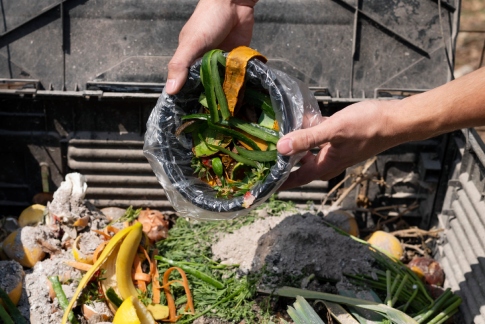
Some households already separate and use organic waste locally — as animal feed or for composting — particularly where collection frequency is inconsistent. Building on and formalizing these decentralized practices could meaningfully reduce the organic load reaching disposal sites.
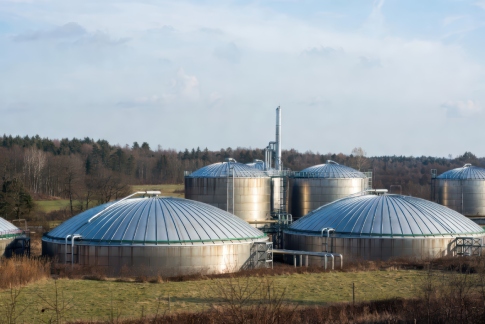
Nepal's organic waste holds an estimated potential of over 188,000 cubic meters of biogas and nearly 13,000 kWh of electricity per day, yet current biomethanation capacity under construction covers only a small fraction of what's generated. Expanding biogas infrastructure is a major untapped opportunity.
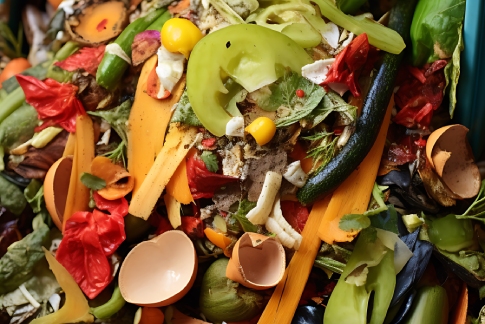
Existing treatment facilities cater to only about 7% of the organic waste generated nationally, leaving the vast majority to decompose untreated in landfills, releasing methane. Diverting organic waste at scale is one of the most direct ways to reduce the sector's environmental impact.
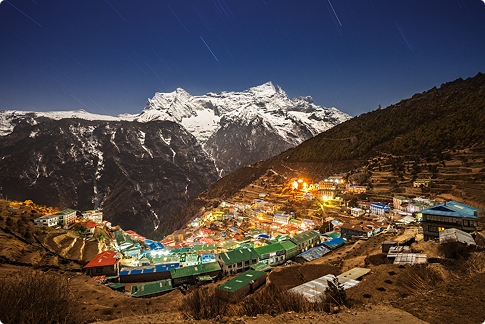
Remote and high-altitude regions face waste management challenges that standard municipal models aren't designed to solve, given the terrain and logistics involved. Specialized approaches, developed with international partners, are needed to serve these areas effectively.
Areas with high visitor traffic generate waste patterns that put unusual pressure on local systems not built to handle that volume. Tailored waste systems for tourism-heavy regions are an identified need, particularly where existing infrastructure is minimal.
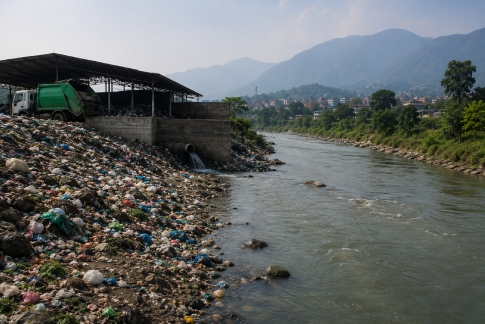
Waste disposal and even treatment facilities have frequently been sited dangerously close to rivers, with dumping directly along riverbanks in some cities. Preventing waste and leachate from reaching waterways is an urgent and currently unaddressed risk.
Standard waste collection models struggle in geographically remote areas, where distance and terrain make regular collection difficult to sustain. Developing specialized logistics networks for these regions is a distinct and necessary area of work.
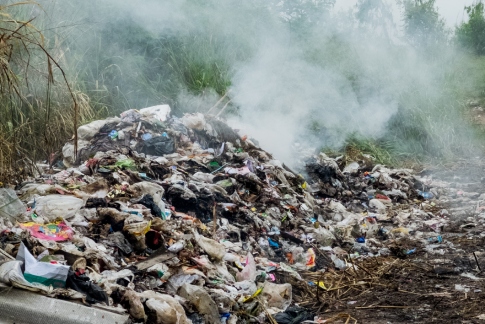
Open burning of uncollected waste is a common practice in many Nepali cities and a significant contributor to urban air pollution, releasing toxic fine particulate matter with direct public health consequences. Preventing this practice starts with ensuring waste is reliably collected in the first place.
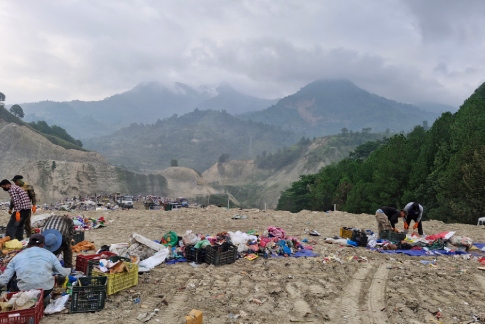
Less than half of all waste generated in urban Nepal reaches a disposal site through proper collection, with much of the rest dumped in open areas or waterways. Diverting recoverable material before it reaches landfill — through recycling, composting, and treatment — reduces both volume and environmental harm.
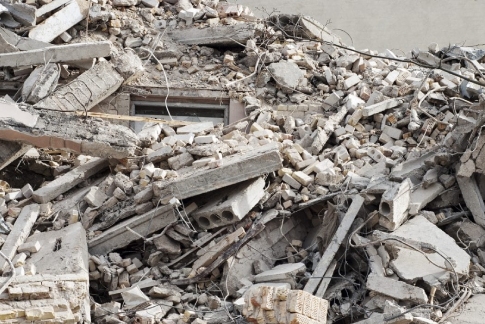
Construction and demolition waste falls under local government responsibility, but there's currently no dedicated collection system, handling guidance, or reuse pathway for this stream — it's often left to accumulate in open areas or gets burned alongside general waste. Bringing C&D waste into a proper collection and diversion system would reduce both open burning and uncontrolled dumping in public spaces.
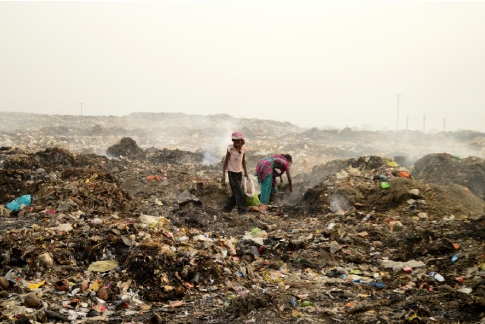
Open burning and untreated leachate from dump sites contribute to air and water pollution, with toxic leachate also linked to the spread of waterborne disease. Reducing these emissions requires moving away from open dumping toward properly managed, treated disposal.